
Focused Extracorporeal Shockwave Therapy (ESWT) is a non-invasive treatment that delivers acoustic (sound) waves to targeted tissues to stimulate the body’s natural healing process. It is commonly used for chronic musculoskeletal conditions involving tendons, ligaments, and soft tissues to improve blood flow, and reduce pain.
Focused Shockwave Therapy
Plantar fasciitis
Tennis/golfers elbow
Shoulder pain
Knee pain
Achilles tendon pain
What conditions does this help?
Why should I try this treatment?
Sleep through the night again
Walk without limping
Return to exercise and activities
Play with your kids or grandkids
Avoid injections or surgery
We’re not masking pain, we’re helping your body repair the source.
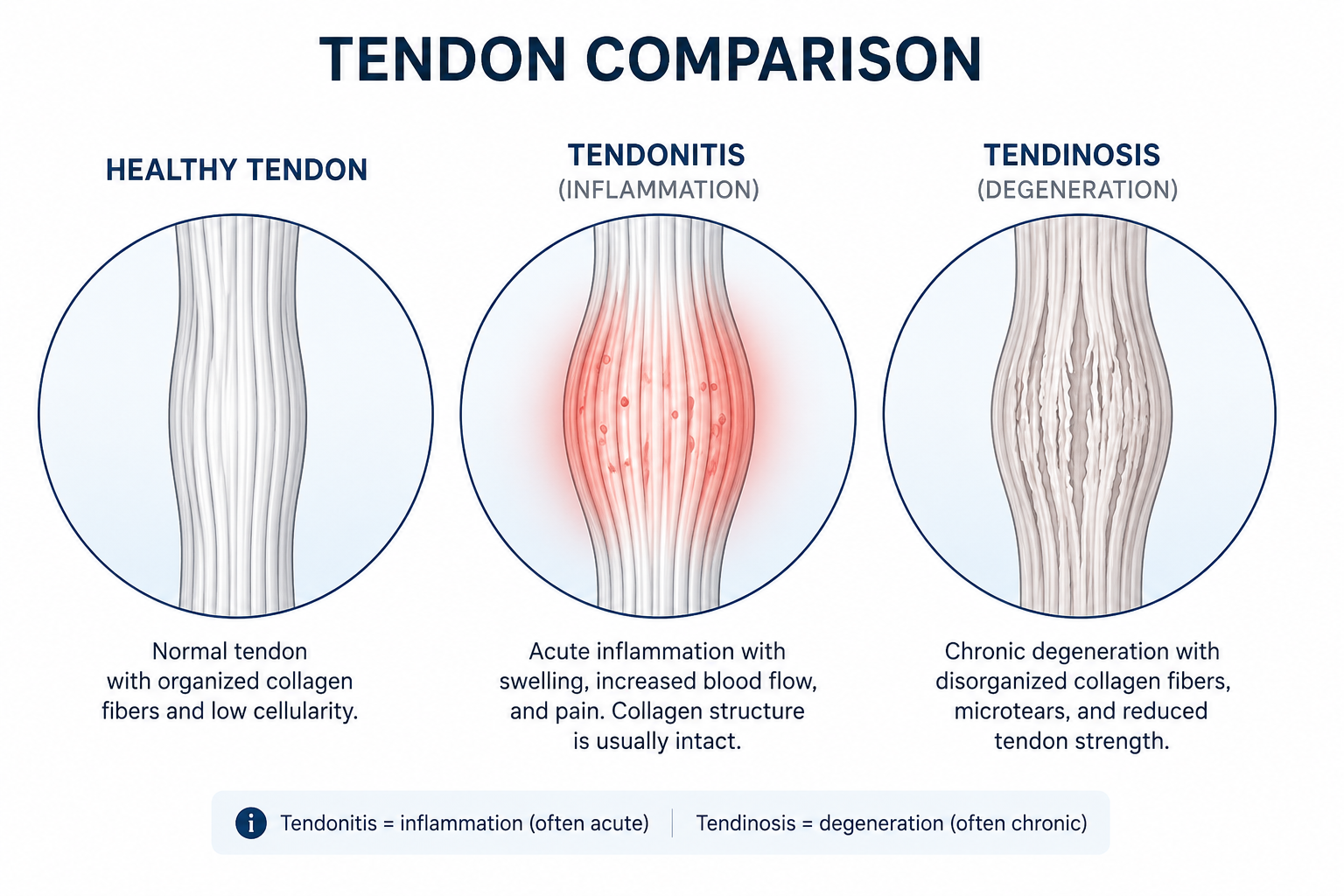
Many patients experience:
Reduced pain
Improved function and mobility
Stimulated tissue repair and regeneration
Break down of scar tissue and calcification
Accelerated healing compared to untreated conditions
Results vary and no guarantees are made regarding outcomes.
Intended Benefits and Purpose of Treatment
Treatment sessions typically last 5-15 minutes per area and usually require a series of visits for optimal results
Treatment Time
Shockwave therapy is generally safe and well tolerated; however, potential risks and side effects may include:
Mild to moderate discomfort during treatment
Temporary soreness or stiffness afterwards at the treatment site
Redness, swelling, or minor bruising
Rarely: increased pain for a short period following treatment
Serious complications are extremely rare but cannot be completely excluded.
Risks and Possible Side Effects
Shockwave therapy may not be appropriate in certain cases, including but not limited to:
Active infection or wounds at the treatment site
Recent steroid injections
Blood clotting disorders or are on certain anticoagulants (relative precaution)
Cancer in or near the treatment site
Open wounds or recent fractures at the treatment site
Pregnancy (depending on location treated)
Contraindications
Activity modification or rest
Physical therapy or rehabilitation
Medications (ex. anti-inflammatories)
Injections (ex. corticosteroids, PRP)
Surgical intervention